
Can artificial intelligence one day fully grasp emotions? More importantly, can it feel like us? Although artificial intelligence has rapidly spread to every area of our lives in recent years, amidst this technology revolution, perhaps the most curious question is this: Can machines only perform logical tasks, or is it scientifically possible for artificial intelligence to learn emotions?
Will we encounter an artificial intelligence that can feel, rejoice, or get sad just like in science fiction movies? In this content, we will scrutinize the concept of “emotional AI” and the scientific foundations of this goal.
What is Emotion and How Does AI Understand It?
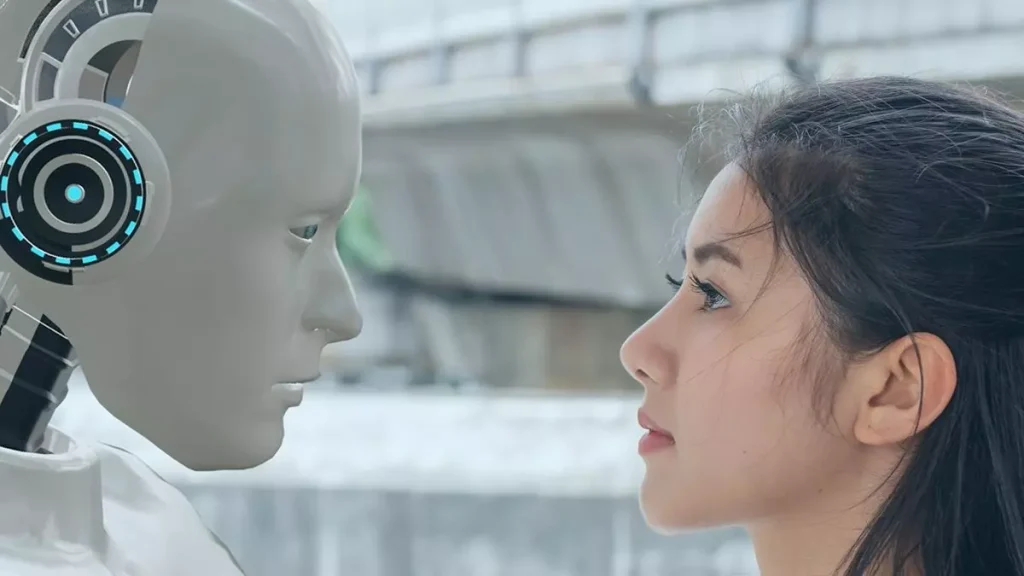
To get to the root of the subject, one must first understand what we call “emotion.” In humans, emotions are not just a mental state, but a set of biological and chemical reactions. We secrete adrenaline when we are scared, and our brains secrete serotonin when we are happy.
These experiences are a product of millions of years of evolution and are part of what we call subjective “consciousness.” Artificial intelligence, on the other hand, does not have a biological body, hormones, or consciousness in the sense we understand. Therefore, the “sadness” a human feels and the data that artificial intelligence labels as “sadness” are not the same thing.
AI Does Not “Feel,” It “Recognizes”
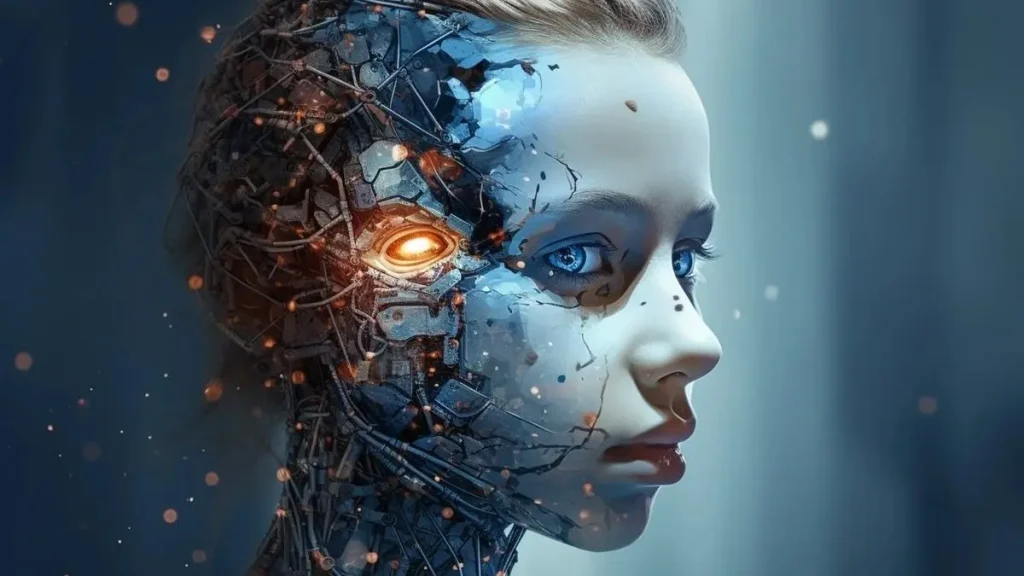
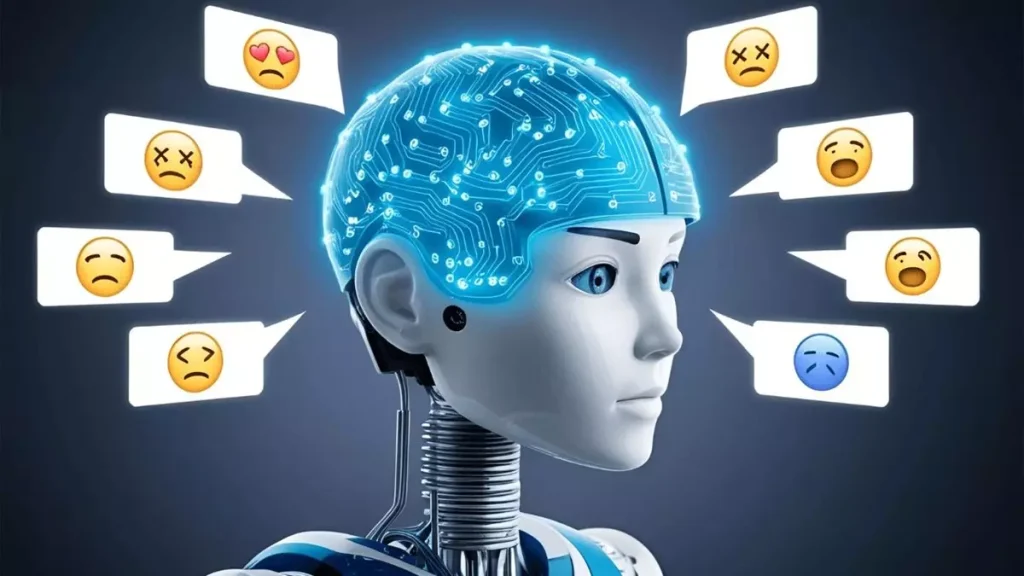
Today, the field known as “Affective Computing” works on precisely this subject; however, the main goal here is not for artificial intelligence to feel emotions, but to recognize, interpret, and give appropriate reactions to human emotions.
Artificial intelligence is trained with millions of facial expressions, voice tones, and text data. Thanks to this training, it statistically learns that frowned eyebrows and a lowered voice tone mean “anger” or “sadness.” In other words, it fundamentally learns the expression patterns of that emotion, not the emotion itself.


The Line Between Simulation and Reality
So, if artificial intelligence mimics (simulates) an emotion so well, does that ensure it “feels” those emotions? This is where science intersects with philosophy. A “chatbot” you speak with in customer service may act very understanding and empathetic, but this empathy consists of the most appropriate words selected from the database it was programmed with; meaning, it does not stem from a real emotional sharing.
According to our current scientific understanding, machines do not possess a conscious experience. They are merely complex computational systems designed to produce the most logical outputs in response to the inputs (data) they receive.
So, Is It Scientifically Possible?
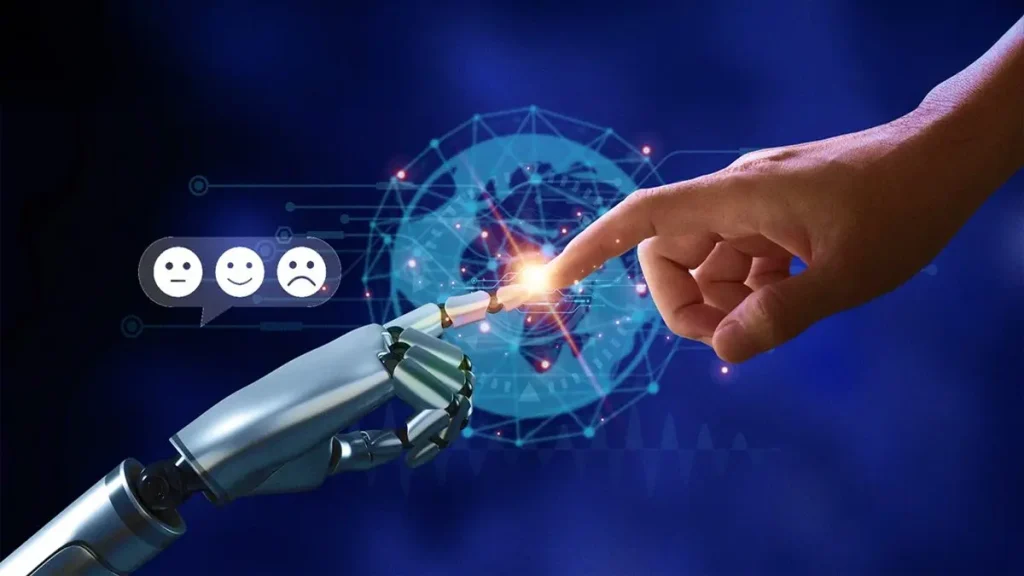
The answer to the question “Is it possible for artificial intelligence to learn emotions?” changes depending on what we mean by “learn.”
If what we mean is to recognize and analyze human emotions with near-perfect accuracy and react to them like a human, the answer is yes; scientifically, this is already largely possible and developing rapidly. However, if what we mean is subjective, biological, and conscious experiences—like the “joy” a human feels when waking up in the morning or the “pain” felt when experiencing a loss—the answer is no with current technology and scientific paradigms.
For machines to “feel,” they would need to mimic not just data processing, but also subjective consciousness, which remains a much deeper mystery that science has not yet solved.
You Might Also Like;